
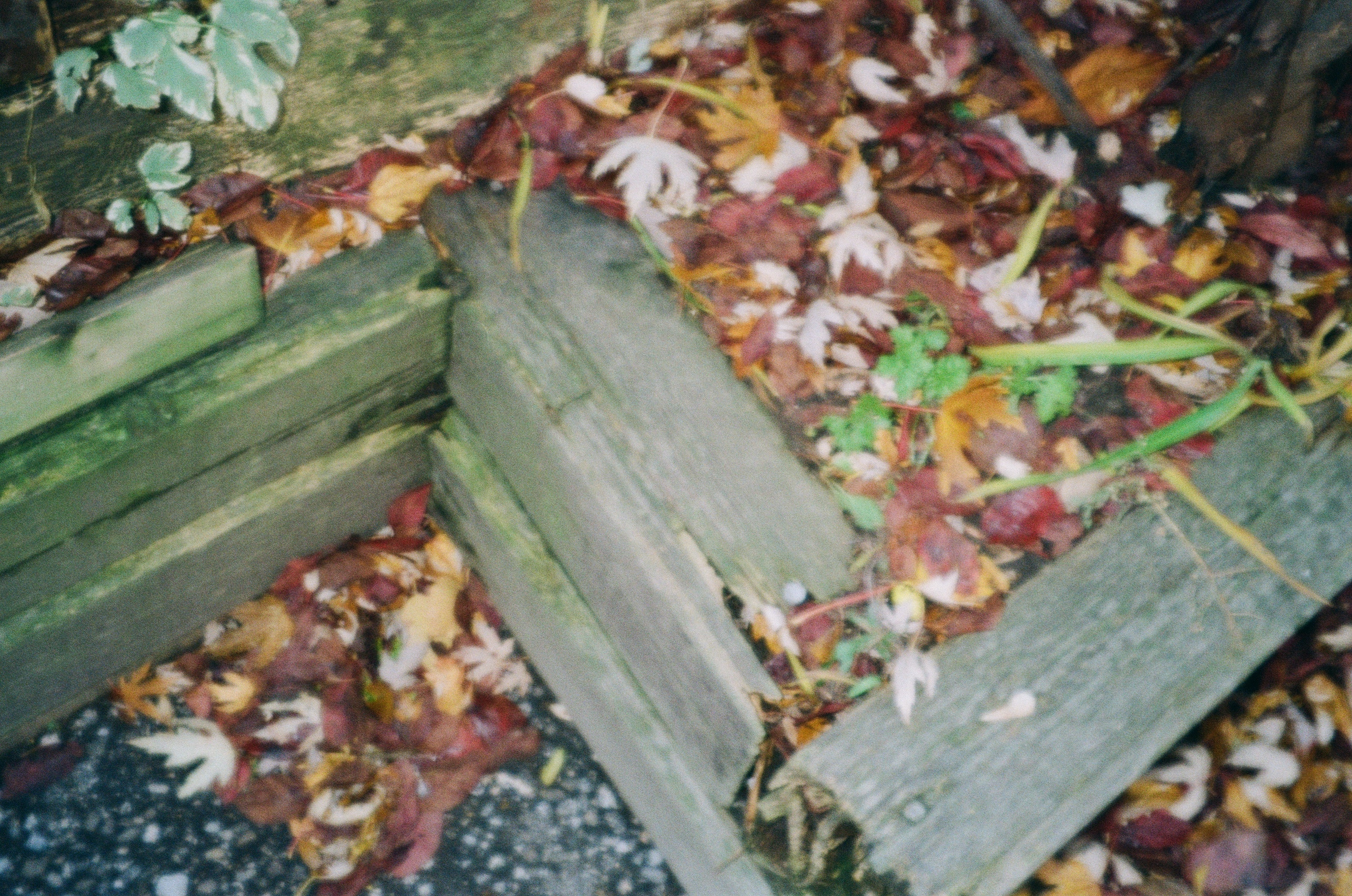
To speak of the current relationships those of us in urban areas have with the land, we must talk about when nature first became a separate space from where our lives take place. By separating ourselves from the land, we disempower ourselves; faced with climate catastrophe, we feel powerless and succumb to despair. We are stuck at thoughts of how humans can “fix” the land rather than radical, innovative ways of thinking about how we can work with the land for the future of our species and of others. In a time of extreme collapse and degradation of the environment, we have to ask ourselves new questions and seek newly defined relationships to meet the moment. There is no pristine, untouched land, even the rain water is poisoned, there is nowhere remote enough to not feel the pain of the earth and its inhabitants, and I ask, is this escape something we should even seek?


Within settler colonial consciousness, the earth itself is viewed as something to conquer and use, to bring potential out of. This view centered humans, specifically european settlers of Turtle Island, as the authority on the right and wrong ways to engage with land. Accordingly, ways that created profit gained dominance. For example, this utilitarian way of viewing the land led to the cultivation of land and the plowed fields of soil that Big Agriculture and ecological disruption has its roots in today. This initial need to cultivate land is where we begin to see the hierarchizing of space. Upon contact, European settlers with racist ideologies saw the biodiverse, interconnected landscape stewarded by Indigenous communities — communities that had already been observing and working with the land from time immemorial and did not even consider that systems and protocols of tending to the land for sustenance and ecological harmony for all, not just humans, were already in place. They saw the land as unused and unruly, preferring tilling and common farming fields as taming and appropriate approaches to using space. Centuries later, cultivated land became so common as to be deemed less valuable, thus creating the concept of seeking nature outside of inhabited spaces as a kind of first world luxury.
It goes without saying that this distinction between inhabited areas and nature did not exist among communities pre-contact with european settlers or prior to industrialization. Humans would have lived in the world engaged with the full range of natural forces and elements, in constant response to it all. In contrast, settler colonialism was rooted in dominance, and it continues to show in the subtle ways that land is perceived and controlled. The settler concept of discovery created a desire to explore places untouched by the influence of life within society. Think expeditions to the Arctic, up Mount Everest and into the jungles of the South. We see this in the vast genre of nature writing and new frontier stories of surviving in the wilderness all alone and in doing so, conquering the earth as if it were ever our opposition.
Today, while the urban sprawl grows at exponential rates, land is being further categorized as urban, suburban, rural, national parks, conservation areas, and crown land; all coming with their own form of bureaucracy; all creating degrees of separation that determine who can access and feel safe in which land; all seen as reasons for who gets to live in ecologically sound areas and who must exist with their home used as a waste site. While the settler colonial mindset insists on the differentiation of land use, in reality no place on this living earth is outside of the earth’s capability to adapt and support life.
Take, for example, lichen, a wild multispecies affair of life so undefinable, it had to become something new entirely. Made up of algae, bacteria, and fungi, lichen is born in harsh and inhospitable conditions. They make their homes on mountain sides, cliffs, and extreme temperatures and teach us that the concept of individuality is a myth. Lichens have made their way onto concrete walls, sidewalks, and metal structures, so much so that over 60 distinct types of lichen are now found in urban areas, including Toronto[1].
Similarly, Leslie’s Spit, a part of Tommy Thompson Park in the heart of downtown, was originally a waste dump site for the rubble from tearing down old buildings and condos. Initially left to rot, today, rebar and soil know little distinction. This space has broken down into life itself; it now is a new land mass observed as a habitat for a vast amount of birds and plants.
The ecosystem of cities are ecosystems that we should be looking closely at for life thriving in uncertainty. The myths of perfection and protection have left us with options for conservation that feel lackluster and rooted in fear. Areas fenced off, plants deemed untouchable; again, we see the remnants of domination over nature, even if well-intentioned. We never have nor will exist outside of nature: this is why I’m critical of the anthropocene, the current time we’re living in marked by human disruption changing the face of the earth. But what if this time is about extreme adaptability and humans are trickster forces moving this thing along at hyperspeed? This is not to deny the absolute mess that state powers and oppressive forces have marked the earth with, the disregard for the land being a living sovereign being, or the likelihood that our actions could bring the end of this iteration of earth as we know it. This is to say that we’re here, in the mess of it, impure, diasporic; the seasons still cycle, we meet equinoxes and solstices over and over, the strawberries still come back in the late spring, the goldenrod still marks summer’s end. Earth still wants to be engaged with and lived in. I believe wholeheartedly that the stories of humans are multifarious and our role in the big dance can be to bridge raw life into dynamism. Making homes out of tree stumps, apothecaries out of the wild plants growing at the edges of community gardens, and remembering even ourselves as something less rigid and permanent in the big time of the earth, here to do what we must and then go.
The question is not whether the patch of grass in Christie Pits that held my tired body after work everyday is a truer face of nature than the depths of an old growth forest in Victoria out west. The question is why must we differentiate to begin with. 70% of the plants found around the great lakes are medicinal and edible, many of them are plants we would call weeds. Who benefits from our taught impulse to believe the life that exists around us isn’t worth our presence, let alone our protection, all because of the wider environment it’s situated in? The beings that live and grow around us want to be known and can be our first teachers into building intimate relationships with the lusty earth around us. This is a process we cannot wait for. It is here now waiting for us to want what’s accessible.
The compartmentalizing of land can only exist within ideologies of exploitation. We know that what we allow to happen to the land is always intrinsically tied to what we allow to happen to the people and vice versa. To exclude any place on this earth as anything other than another facet of the earth is to also exclude all the living beings; human, and more-than-human who live and depend on the land. The collapse of these fabricated boundaries made between city and wild, inhabited and remote may be a portal into ways of being we could not imagine but will need to tread into for that which is to come.
Sources
1 As per Urban Lichens: a field guide for northeastern North America by Jessica L. Allen and James C. Lendemer.

Leave a Reply